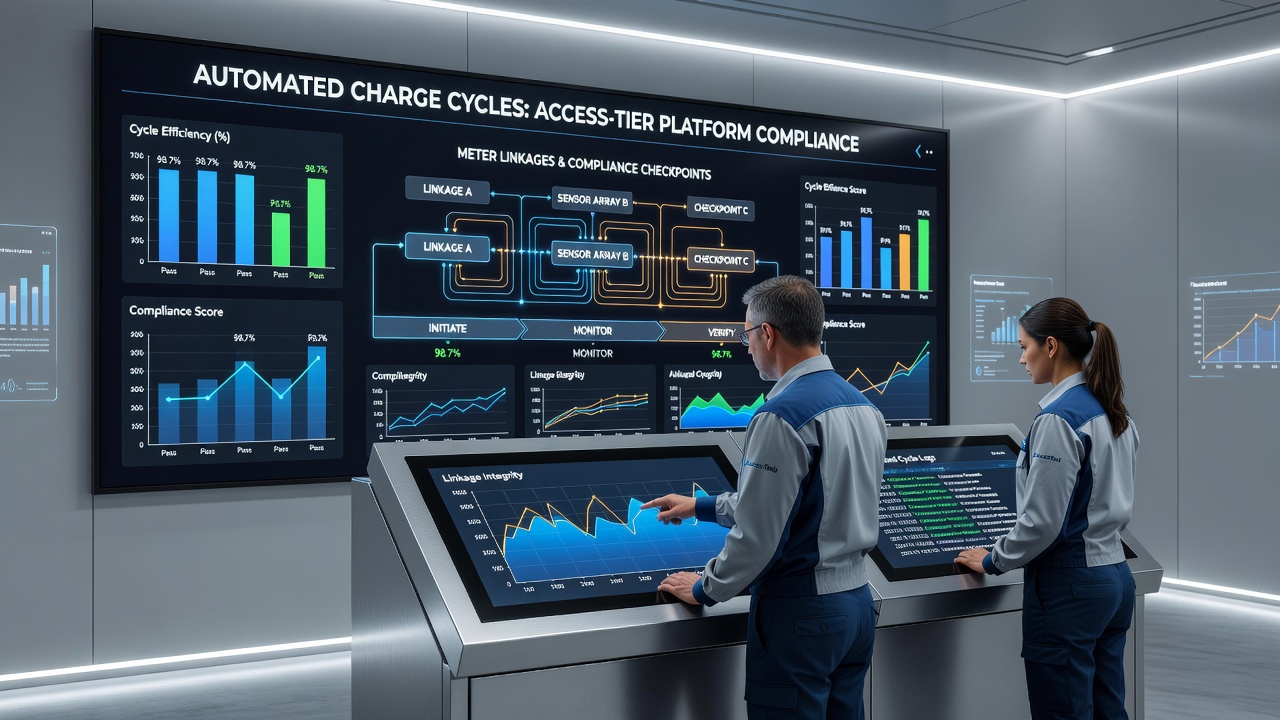
Meter Linkages and Compliance Checkpoints Across Automated Charge Cycles in Access-Tier Platforms
Written by Olivia Griffin · Nov 13, 2026
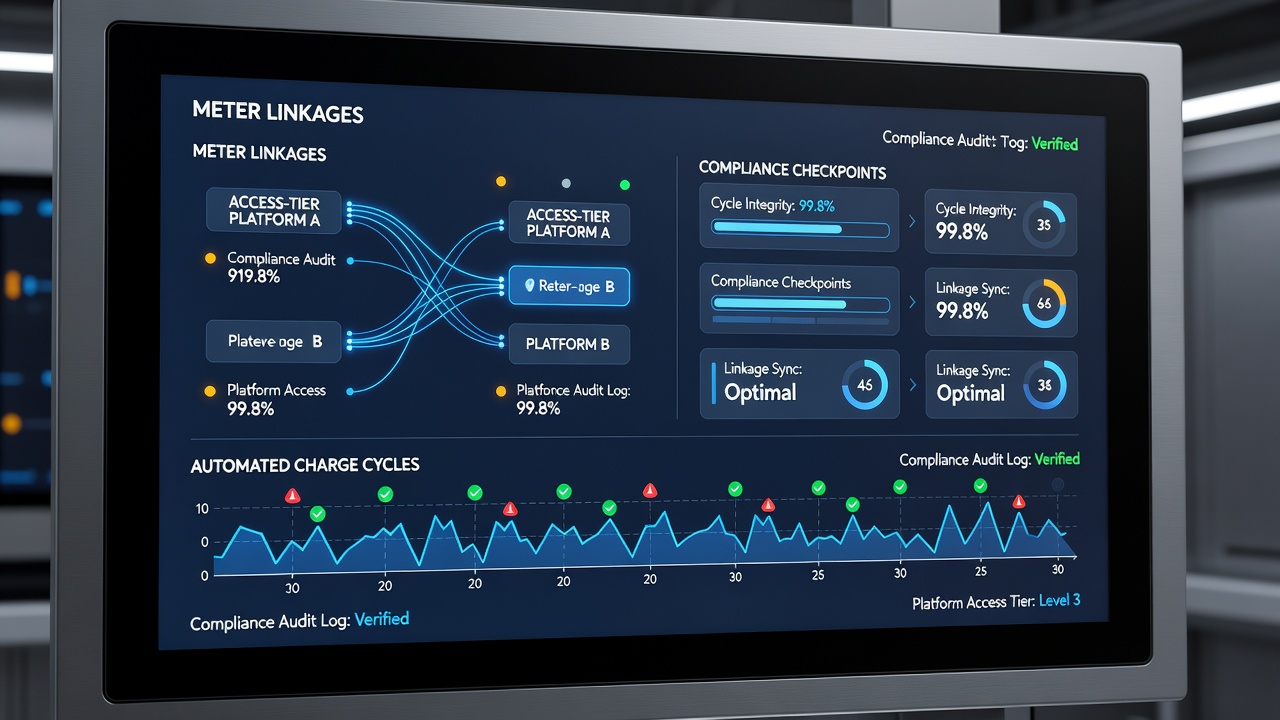
Meter Linkages and Compliance Checkpoints Across Automated Charge Cycles in Access-Tier Platforms
Access-tier platforms rely on meter linkages to connect usage data streams with billing engines, which creates automated charge cycles that respond to consumption patterns in real time. These linkages track metrics such as API calls, storage volume, or active user sessions, then feed the information into tiered pricing models where higher access levels trigger different rate structures. Compliance checkpoints sit at each stage of the cycle, validating that charges align with contractual terms, regional tax rules, and data-handling standards before any transaction completes. System architects design meter linkages through API endpoints that push or pull data at fixed intervals, often every few minutes during peak activity. The data then passes through validation layers that compare recorded usage against predefined thresholds for each access tier. When a checkpoint flags a mismatch, the system either pauses the charge or routes the record for manual review, which prevents overbilling and maintains ledger accuracy across multi-tenant environments.Integration Points in Charge Sequencing
Meter data enters the charge cycle at the point where consumption events convert into billable units. Engineers map each meter event to a corresponding pricing rule stored in the platform's rate engine, and this mapping occurs before the cycle advances to the next tier. In practice, platforms that serve both enterprise and mid-market customers maintain separate linkage schemas so that compliance rules for data residency apply correctly to each segment. Checkpoints occur after unit conversion but before the charge posts to the customer ledger. At this stage, the system cross-references the calculated amount against stored contract metadata, including any volume discounts or promotional credits. If the amount exceeds a threshold defined in the contract, an automated alert notifies the finance team while the charge remains in a pending state.Regulatory Alignment Across Regions
Platforms operating in multiple jurisdictions must satisfy overlapping compliance requirements that affect how meters record and transmit data. Data from the European Commission indicates that automated billing systems handling personal data must incorporate consent verification at the meter level to meet digital services rules. Similarly, the Australian Competition and Consumer Commission has published guidance on transparent usage reporting in subscription services, requiring platforms to expose raw meter readings to customers upon request. In November 2026, several jurisdictions plan to introduce updated reporting formats for consumption-based charges. These changes will require meter linkages to include additional metadata fields such as jurisdiction codes and consent timestamps, which existing systems must accommodate through configuration updates rather than full rewrites.